
FIELD REPORT · AGROECOLOGY
Nkolmefou 1: turning Tithonia into a resource for agroecological cassava farming
A locally available resource
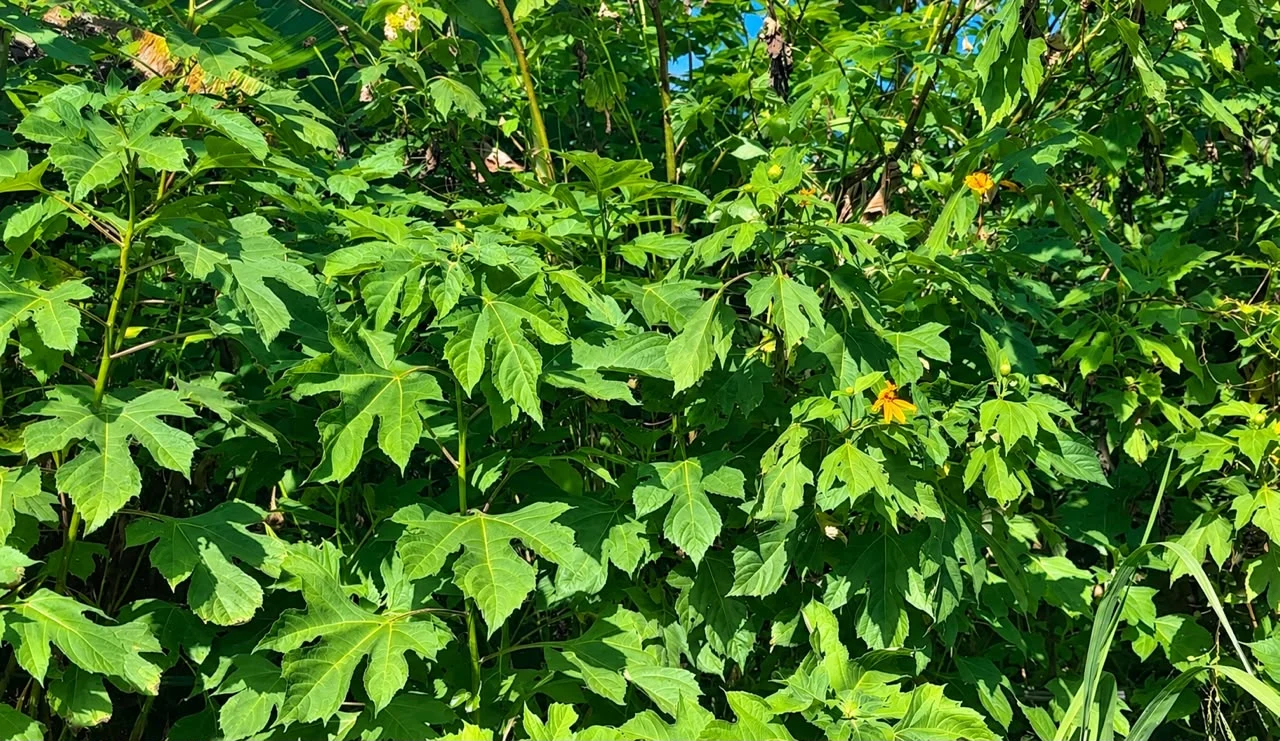
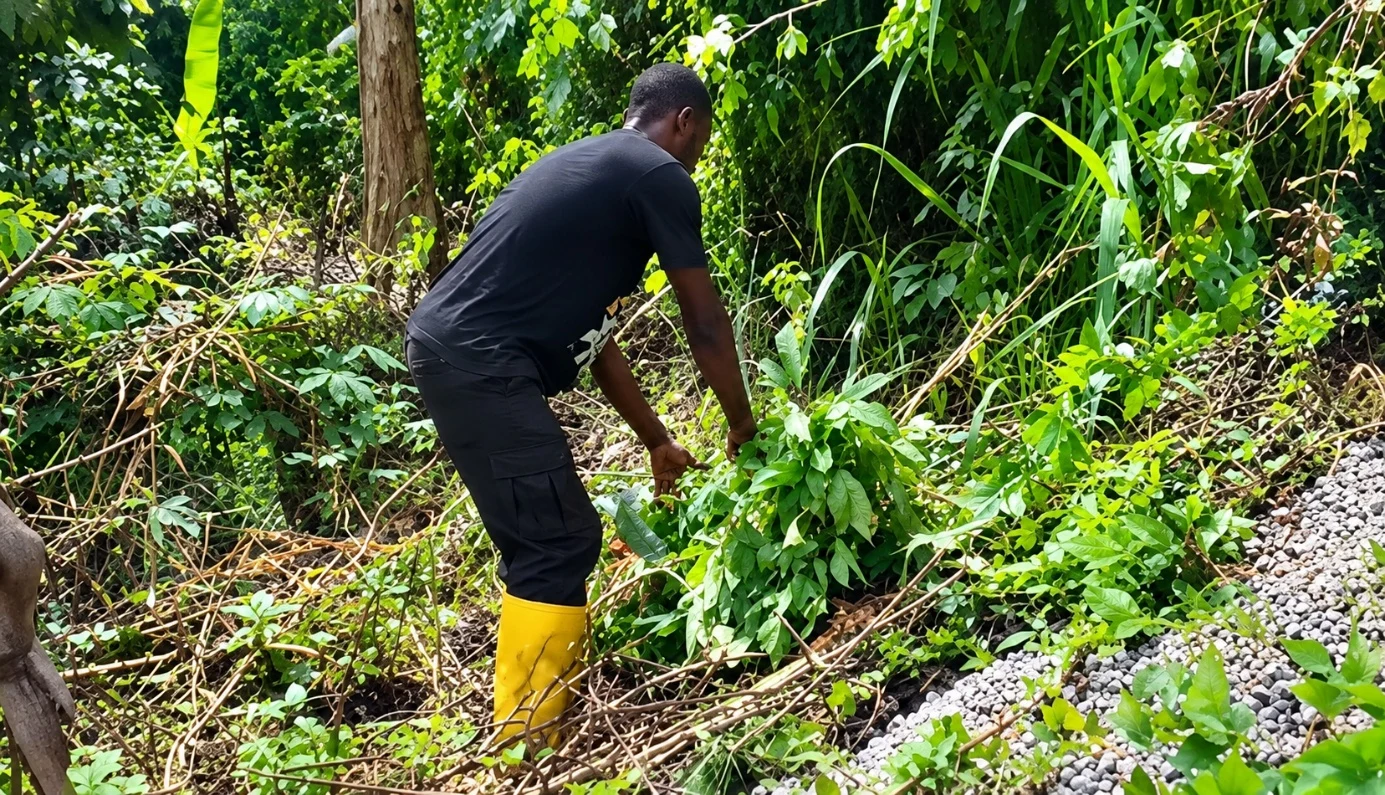
In Nkolmefou 1, in Cameroon’s Centre Region, family farmers are experimenting with Tithonia diversifolia, locally known as “fleur marguerite” or “fleur jaune”. Its plant biomass is being used as organic material to support soil fertility in cassava fields. The initiative is accompanied by CNOP-CAM with support from the Agroecology Fund, through the Women and Youth for the Consolidation of Agroecological Enterprises in Cameroon programme.
Learning through farmers’ experience
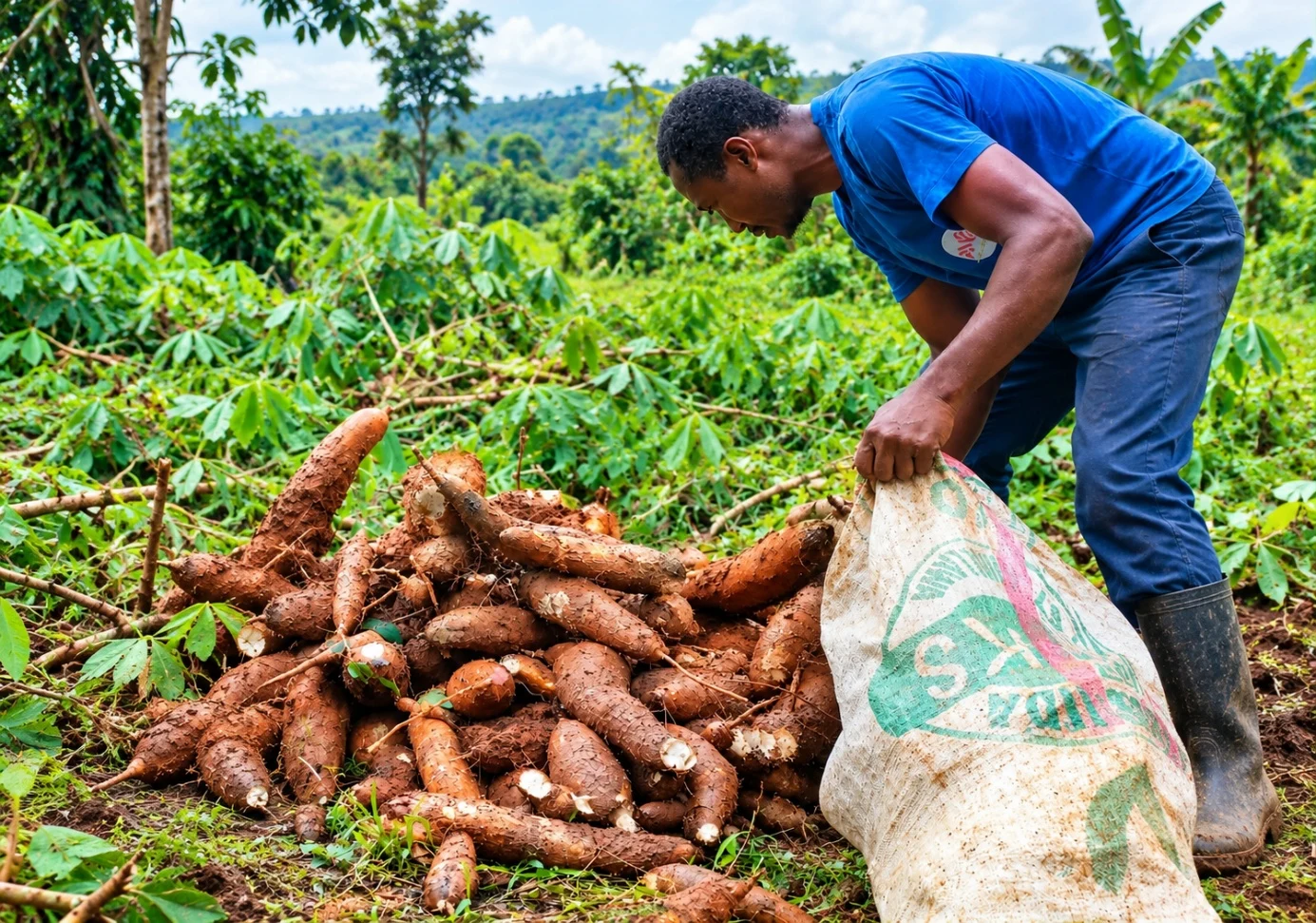
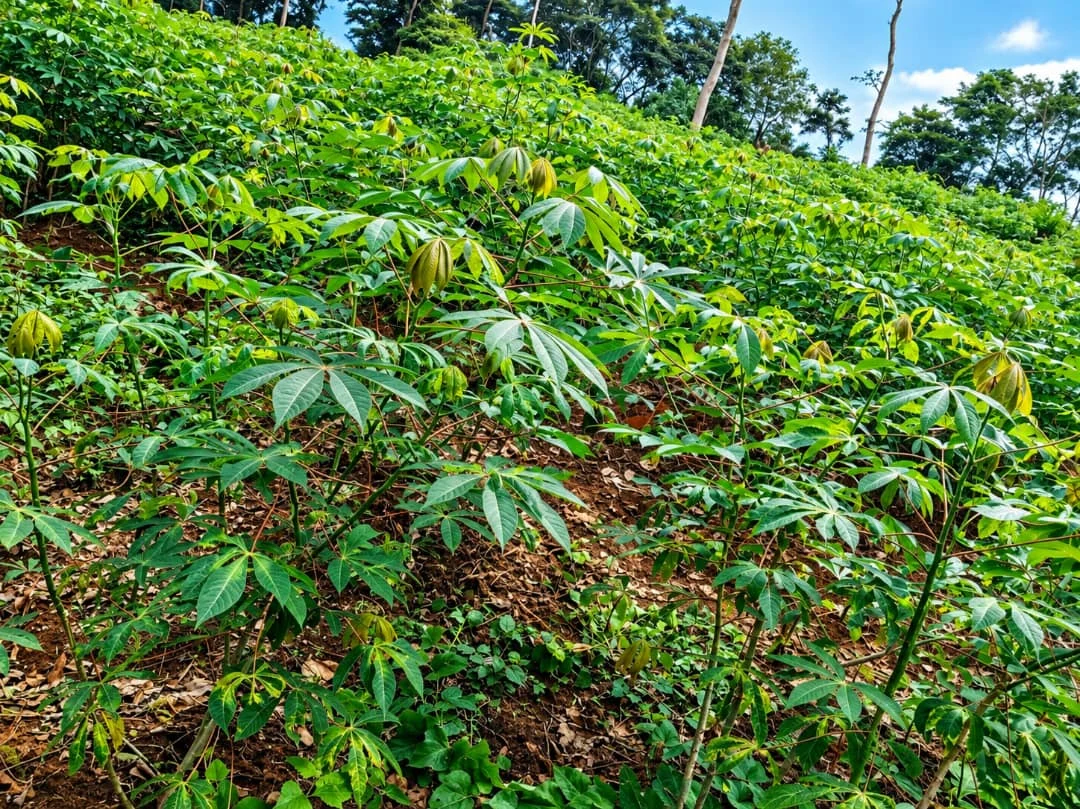
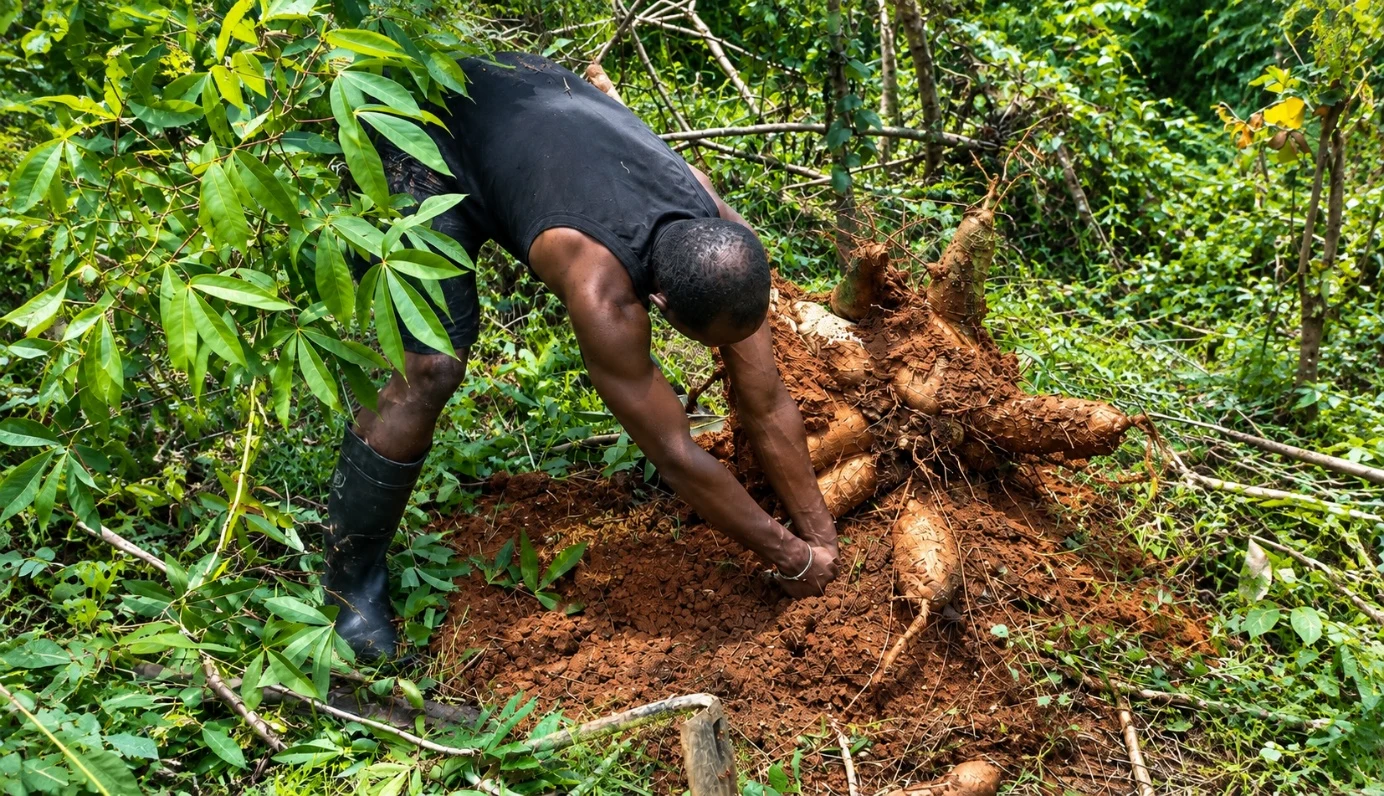
Cassava contributes to household food and income. Soil fertility, input costs, weeds and crop health remain challenges. Previous losses linked to cassava rot strengthened farmers’ interest in accessible practices. The experience brings together farmers’ observations and wider agroecological knowledge, including exchanges with AFSA. Farmers are active producers of knowledge.
What research tells us
Studies in Cameroon have investigated Tithonia biomass in cassava production. Under the conditions of those trials, benefits for crop growth, yields and some soil properties were reported, including combinations with other fertility inputs. These findings are separate from the Nkolmefou 1 experiment and must not be presented as its measured results.
Documenting the field experience
The effects of the practice must be assessed alongside soil condition, cassava variety, rainfall, maintenance, water availability, pests and diseases. Tithonia alone cannot be credited with resolving cassava rot or increasing yields. Nor is it a universal herbicide or fungicide. Useful records include biomass preparation, quantities, application timing, plot area, yields, losses, costs and sales income.
Women, youth and knowledge sharing
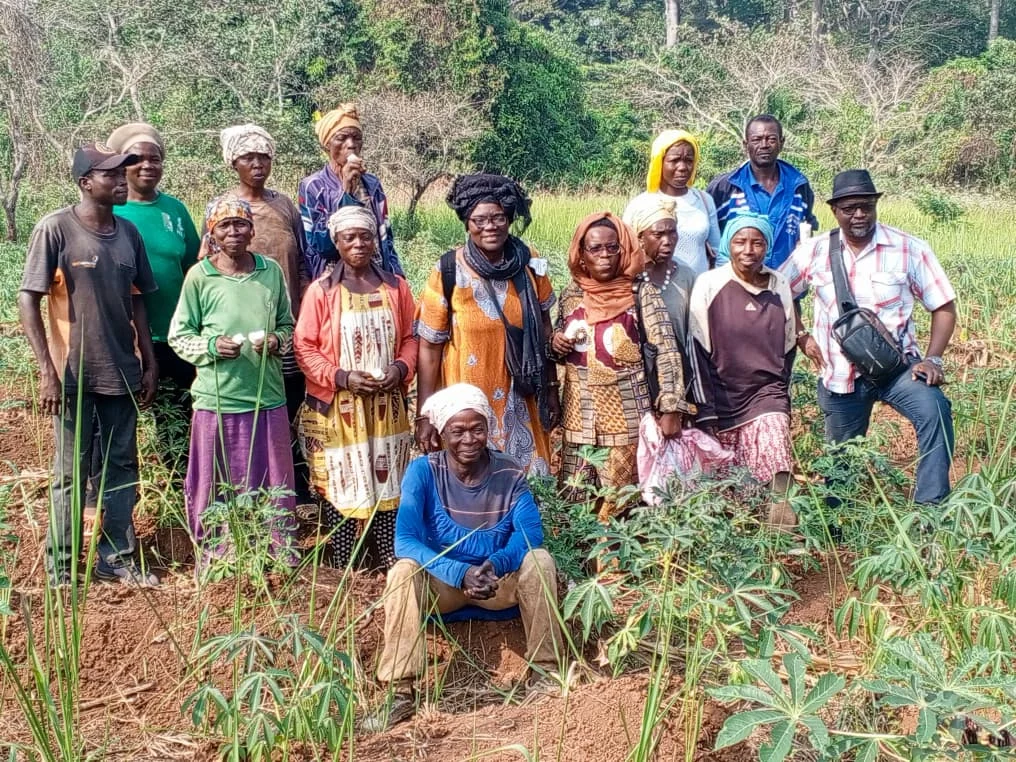
CNOP-CAM accompanies experimentation and the documentation of agroecological practices. Women and young people are central to building viable agricultural enterprises based on local resources. Exchanges between producers and agroecological networks help share lessons, identify improvements and understand the conditions under which practices can be reproduced.
An experience to follow
The harvest is an opportunity to observe results rather than make exaggerated promises. The aim is to establish how local biomass can contribute to soil fertility and farmers’ autonomy within a broader, sustainable production strategy. This page provides an English summary of the complete French report supplied by CNOP-CAM.